|
Viewing 334 - 342 out of 370 Blogs.
| Page:
|
|
|
|
|
38 |
|
|
|
|
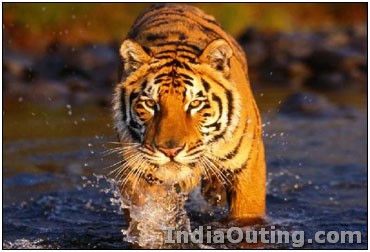
Sariska Tiger Reserve is a national park which lies in the Alwar district of Rajasthan state of India. In the pre-independence period the forests within the Reserve were maintained as a hunting reserve area for the royalty of the former Alwar State. After independence, it got the status of wildlife reserve in the year 1955 when it became unlawful to hunt, shoot, net, trap, snare, capture or kill any kind of wild animals. It was promoted to a Sanctuary in 1958 and finally became a Tiger reserve in the year 1978 making it a part of India’s Project Tiger scheme.
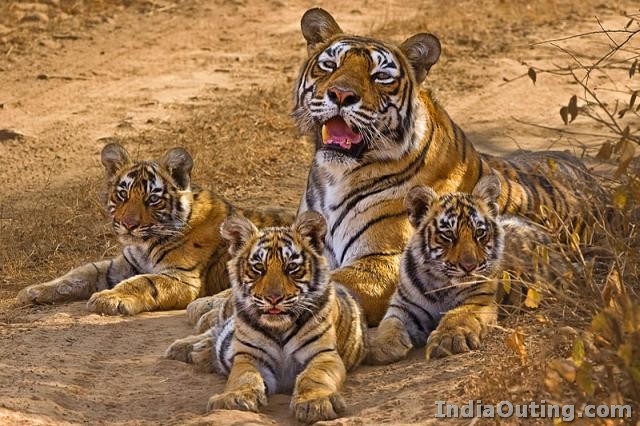
It is now a prime tiger country. The present area of the Reserve is 866kms which is divided into dry deciduous forests, steep cliffs, grasslands and rocky landscape. The two main types of forest present are tropical dry deciduous forest and tropical thorn forest. 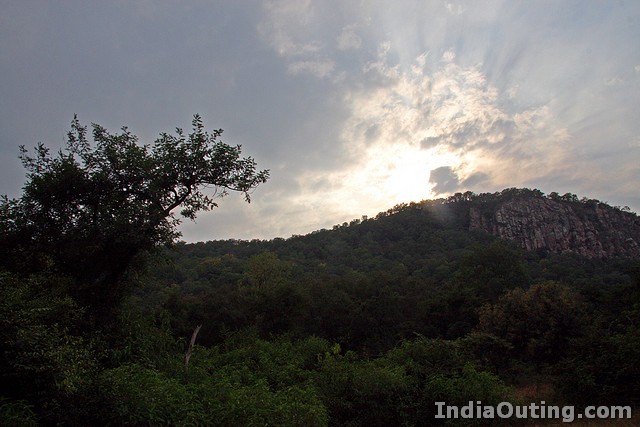
The main species of flora here are the Dhok (Anogeissues pendula) trees which cover nearly 90 percent area of the forest. The other types of trees are Kattha (Acacia Catechu) and Bamboo which are common in the valleys. Dhak (Butea monosperma) and Ber (Zizyphus spp) are also found in the valleys. Salar (Boswellia serreta) and Gol ( Lannea coromandelica) grow at rocky patches. Besides there, some other notable trees are Arjun (Terminalia arjuna), Gugal (Commiphora wightii), Kadaya (Sterculia urens) and Bargad (Ficus benghalensis). Shrubs such as Kair (Capparis deciduas), Adusta (Adhatoda vesica) and Jhar ber (Ziziphus nummularis) are plentiful. 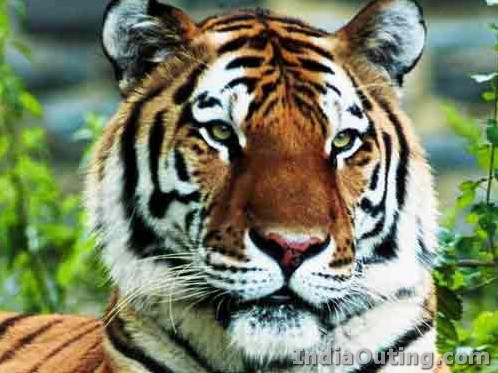
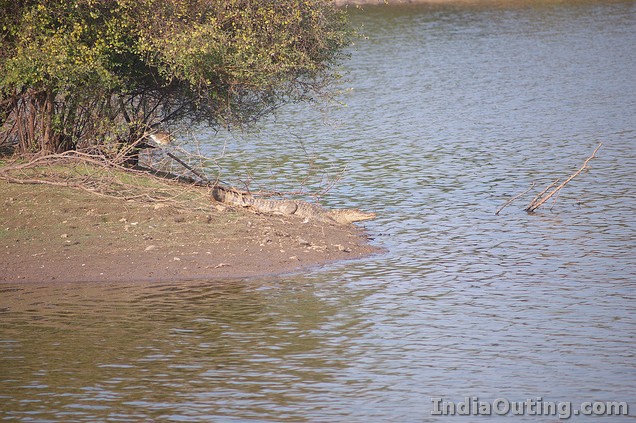
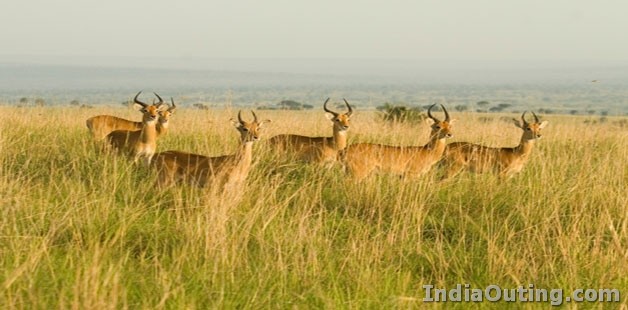
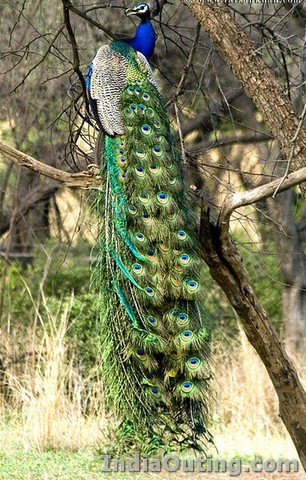
A variety of other wild animals like leopard, jungle cat, caracal, striped hyena, golden jackal, chital, sambhar, blue bull, chinkara, wild boar, hare and langur are found here apart from the tiger. The Sariska National Park is home to India’s largest population of peafowl, harbours quail, sand grouse, golden-backed woodpeckers and crested serpent eagles along with many other species of birds. Moreover, the Siliserh lake on the edge of the park has a large number of replies including crocodiles. 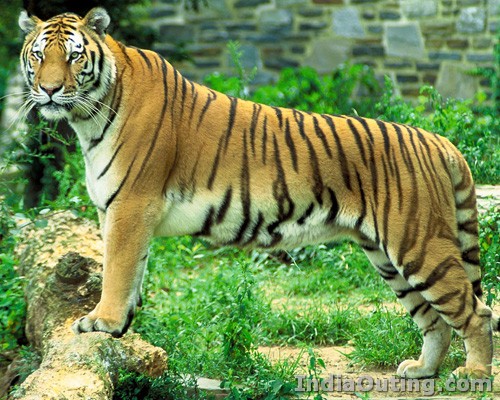
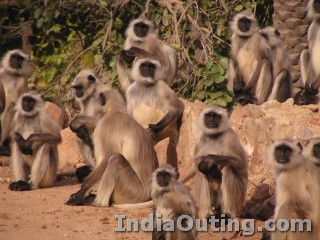
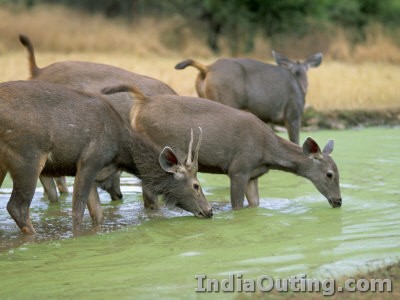
The reserve also houses several places of historical importance. The ancient Kankwari Fort is situated in the middle of the Reserve. It was originally built by Jai Singh II. The Mughal emperor Aurangzeb briefly imprisoned his brother, Dara Shikoh, here in the struggle for succession of the throne. There’s also a famous temple of Lord Hanuman which is situated at Pandupol which was believed to be one of the retreats of the Pandavas. Archaelogical treasures, Nilkanth and Garh Rajor of 9th and 10th century are ruins of Shiva and Jain temples, contemporary of the world famous Khajuraho. Nilkanth temples were built by the Bargujars. 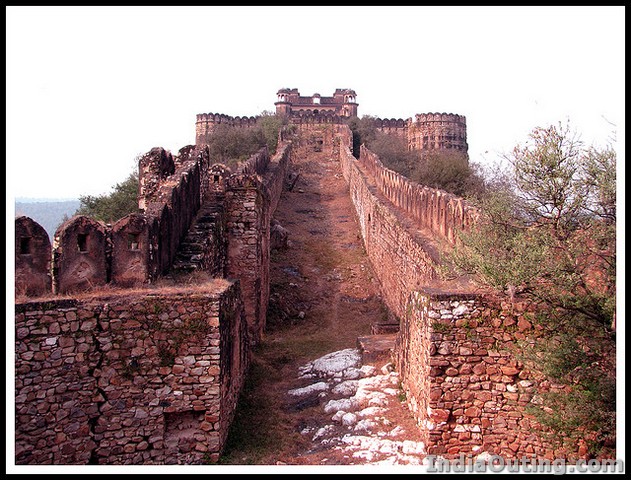
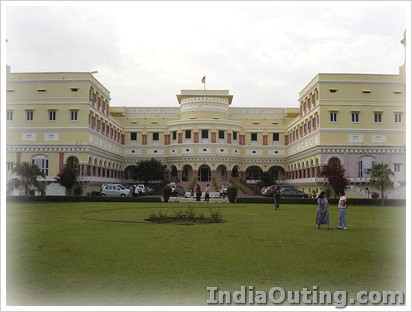
Whether you love wildlife watching, visiting medieval palaces, enjoying the exciting jeep safaris or just go shopping in the surrounding areas, Sariska Tiger Reserve will offer you all this and much more. 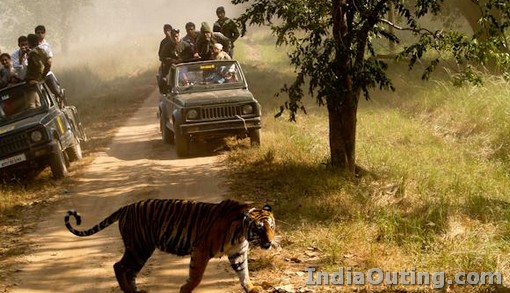
Mysore Palace or Mysore Maharaja Palace is one of the largest and most spectacular monuments in the country. Also known as Amba Vilas, it is located in the heart of the city of Mysore. The palace was initially built by the Wodeyar kings in the 14th century. Unfortunately, as it was made of out wood it got burnt down in 1897 during a royal wedding. The current palace construction was commissioned in 1897 and was completed by 1912. Designed by the famous British architect, Henry Irwin, it was built for the twenty-fourth Wodeyar Raja. It was the residence of the Wodeyar Maharaja’s of the Mysore State.
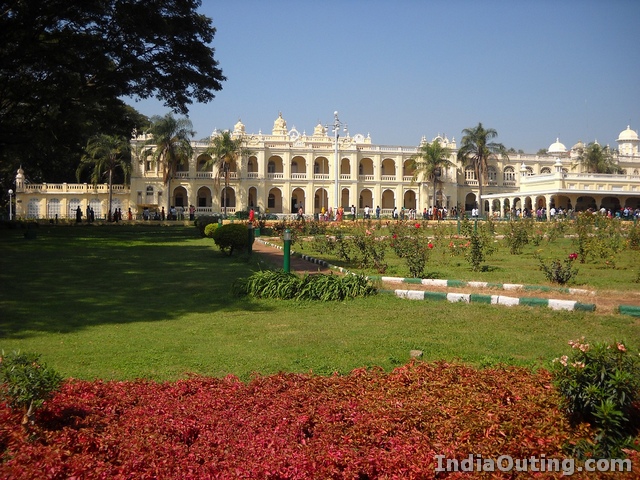
The current palace is built in Indo-Saracenic style and blends together Hindu, Muslim, Rajput and Gothic styles of architecture. The palace itself is a three-storey stone structure which has a series of square towers with arches covered with domes. There is also a large open space in front with an open courtyard in the center which is covered by a gold plated dome about 145 feet off the ground. A striking sculpture of Gajalakshmi, the goddess of wealth, prosperity, good luck is located above the central arch with her elephants. The palace is surrounded by a large garden. The palace houses a collection of exquisite carvings and works of art from all over the world. 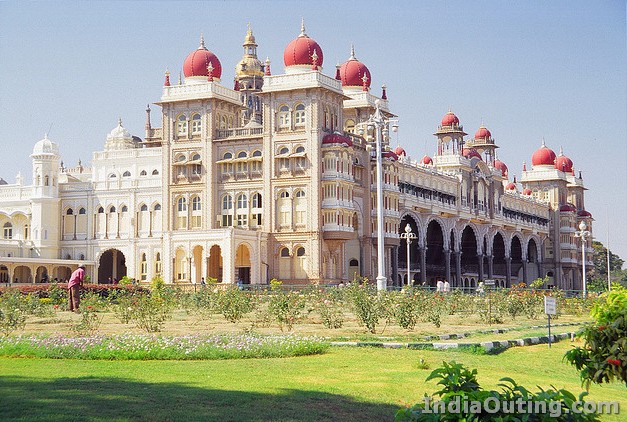
The palace also has several unique rooms. These include the public durbar, where the king would host major ceremonial gatherings. There’s also the Kalyana Mantapa, a spectacular octagonal shaped hall where all royal weddings, birthdays and ceremonial functions were celebrated. The Private Durbar, the Gombe Thotti and the portrait gallery are also worth a visit. 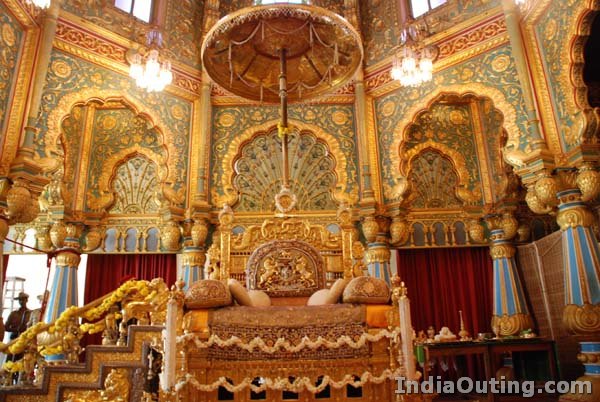
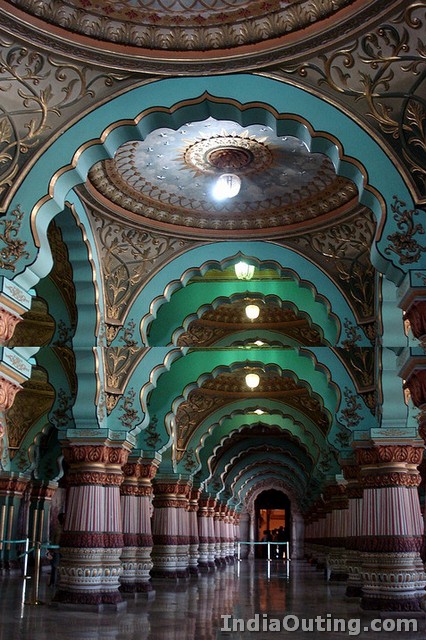
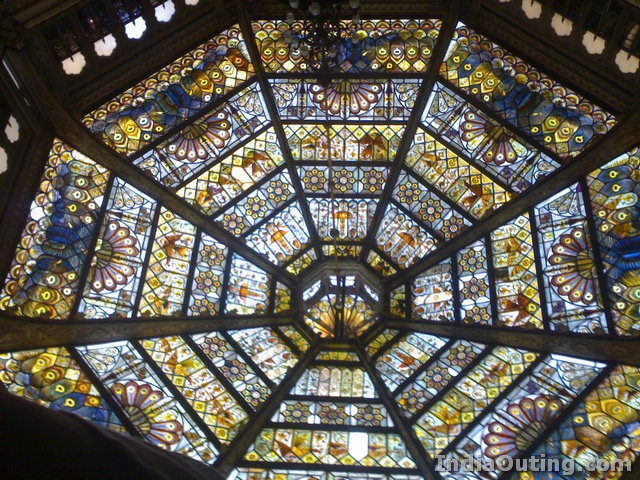
The palace is now converted into a museum that is home to souvenirs, paintings, jewellery, royal costumes and other items which were once possessed by the Wodeyars. However, the erstwhile Royal family continues to live in a portion of the Palace. It’s a rainbow of stained glass and mirrors. The lavishly decorated rooms are hidden behind elegantly decorated and intricately carved doors. Musical instruments, costumes, children’s toys and portraits are displayed on the ground floor while the upper floor has a small collection of weapons. It is said that the palace displays the largest collection of gold objects quantity wise. 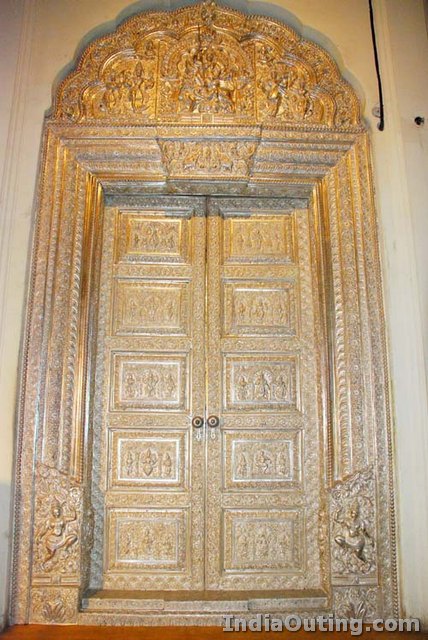
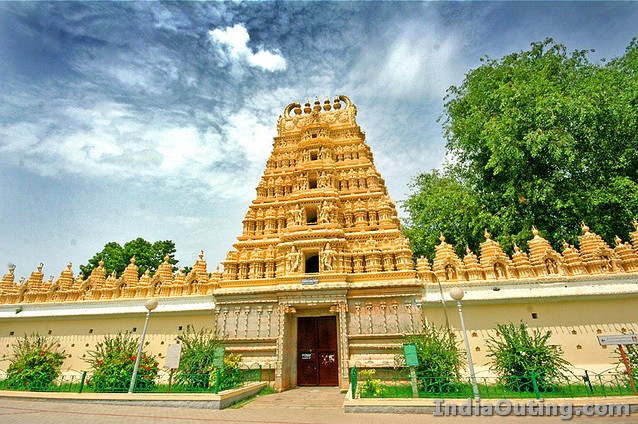
The Mysore palace complex has a selection of 12 Hindu temples. They have been built over a vast expanse of time with the oldest being built in the 14th century. The latest one was built in 1953. Someshvara Temple, dedicated to God Lord Shiva and Lakshmiramana Temple, dedicated to God Lord Vishnu are some of the more famous temples. 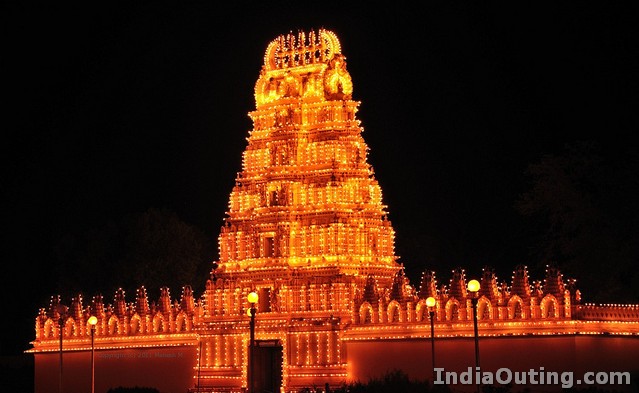
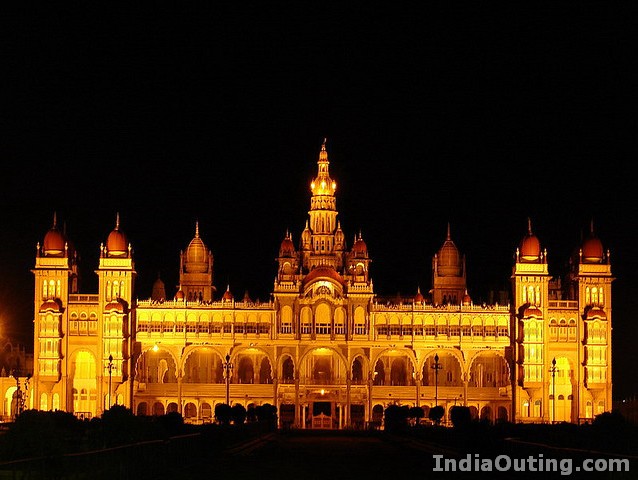
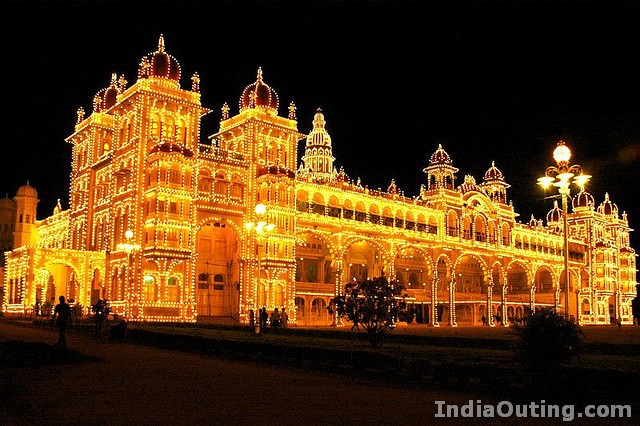
The palace is illuminated with ninety seven thousand bulbs at night on Sundays and during the holiday season of Dasara. It is truly a sight to behold. 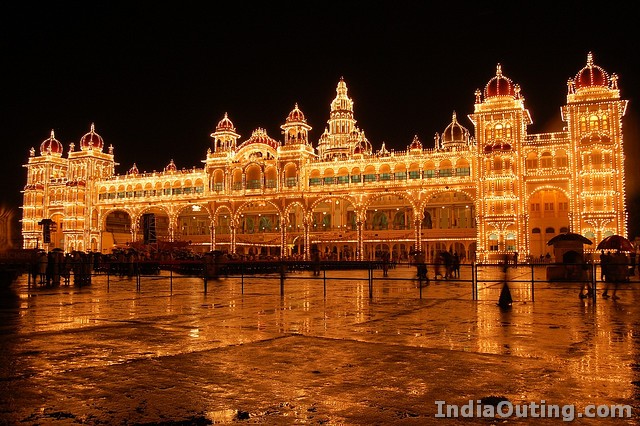
Mysore Palace Timings: 10:00am-5:30pm
Entry Charges:
• Indian National- Rs.20/-;
• Foreign Tourist- Rs.200/-
• Free entry for children up to the age of 10.
Mysore Palace Illumination Timings:
• 7:00-8:00pm only on Sundays, National holidays and State festivals.
• 7:00-9:00pm during the Dasara festival.
For all the nature lovers out there, who wish to spend some time away from the buzz and din of the cities, the clean fresh air and in the company of some of the rarest of the rare birds which are never seen in the cities, there is a place called Keoladeo National Park which is known as “Bird Paradiseâ€. The Keoladeo National Park, formerly known as Bharatpur Bird Sanctuary, is one of Asia’s finest bird areas with over 380 resident and migrant species which include Demoiselle, Common and the rare Siberian Cranes.
Situated in the State of Rajasthan, this park derives its name from the temple of Keoladeo (Shiva) and ‘ghana’ which in the local dialect means dense, referring to the nature of vegetation found here. The area of park may not be very large but it supports a tremendous diversity of plant and animal species in a wide array of habitats. These include dry grasslands, woodlands, woodland swamps and wetlands. 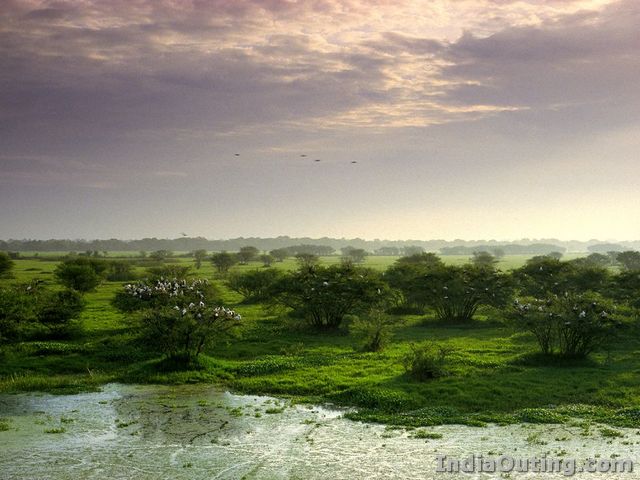
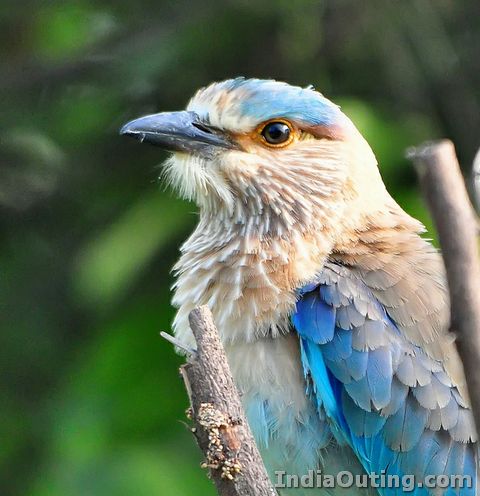
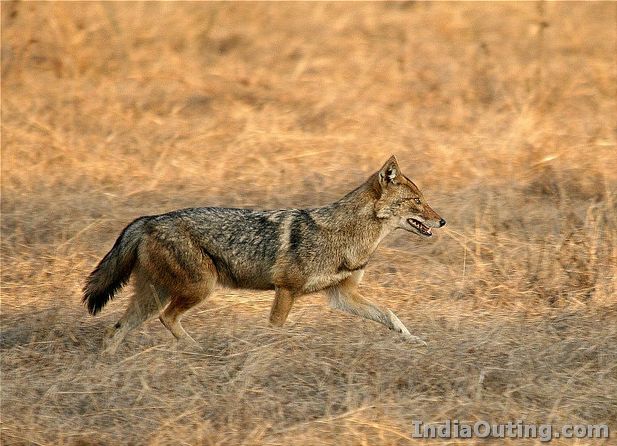
The flora consists of over 372 species of angiosperms, out of which 96 species are aquatic species. Along with the birds, it is also an excellent place to watch mammals like Golden Jackal, Striped Hyena, Fishing Cat, Jungle Cat, Nilgai, Sambar, Blackbuck and wild Boar. 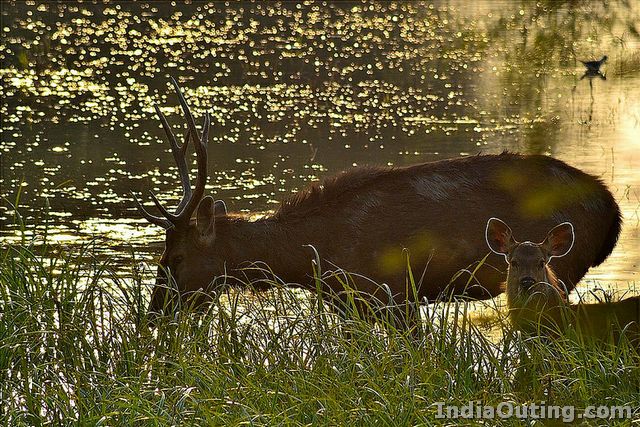
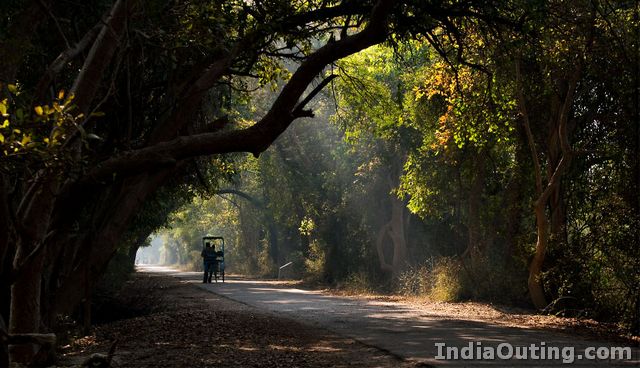
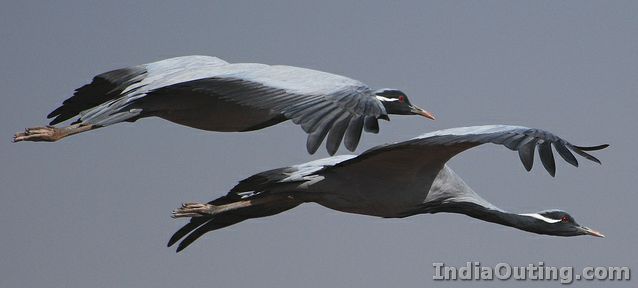
This National Park has an interesting history. In the past, this area used to be the shooting ground for ducks for the Maharaja Suraj Mull of Bharatpur. It continued to be a hunting preserve for the British and the Maharajas till 1964, after which hunting was banned here. It was declared a National Park in 1982 and UNESCO World Heritage Site in 1985. 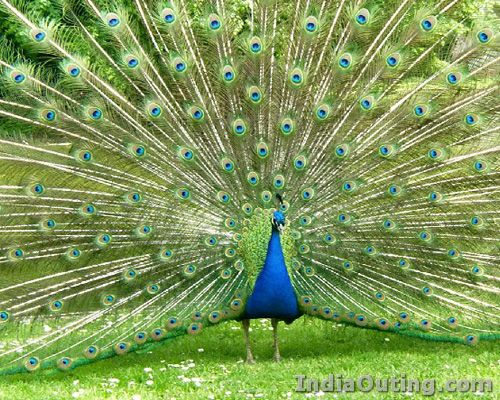
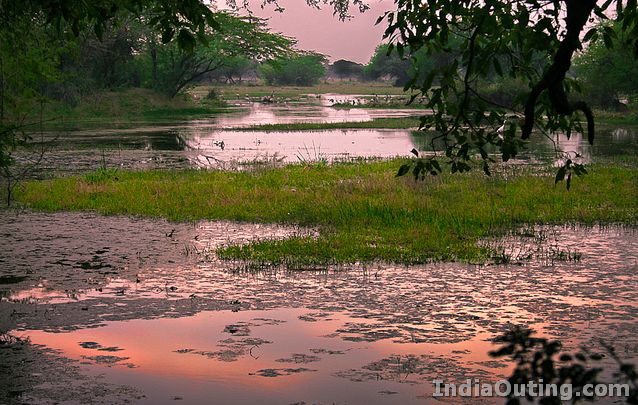
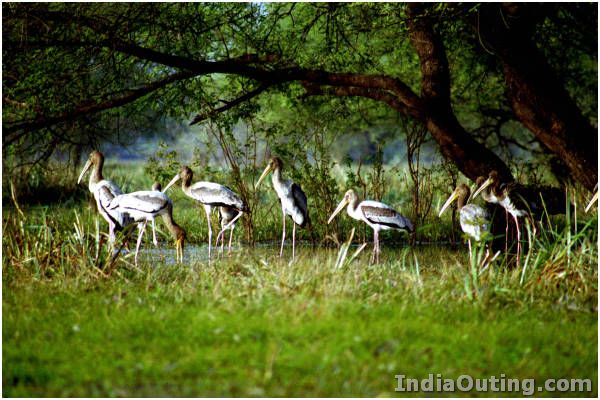
Today, the park is acknowledged as one of the most important breeding and feeding grounds for the birds in the world. There are well-defined treks in the park which can easily be covered on foot, by bicycle or you can even hire a rickshaw. One can also enjoy a serene boat ride in the early morning or evening.
The park is open throughout the year. 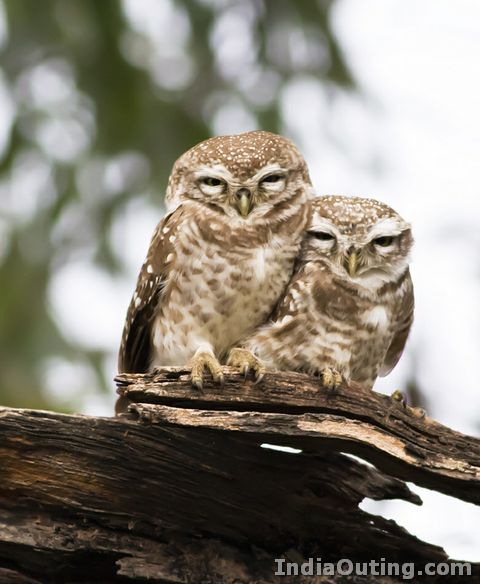
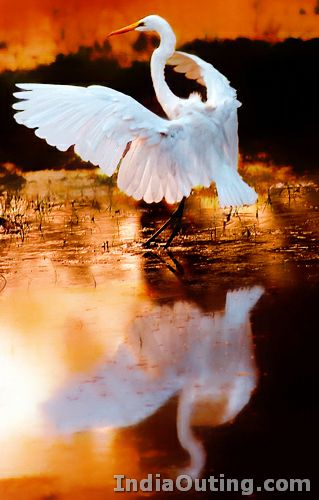
“High in the Himalayan ranges of Garhwal hills of Uttaranchal lies an enchanted Valley.†About 600 kilometers from Delhi, in the Chamoli district of Uttaranchal can be found The Valley of Flowers, a breathtaking array of over 500 different species of wild flowers spread over an area of 87.5 km². It is situated a height of 11,000 feet to 14,000 feet above the sea level in the Western Himalayas.
This mysterious valley was hidden from the outside world, with only locals frequenting the place. Initially, it was avoided by the shepherds who believed this magical valley to be the celestial playground of the Gods, nymphs and fairies. 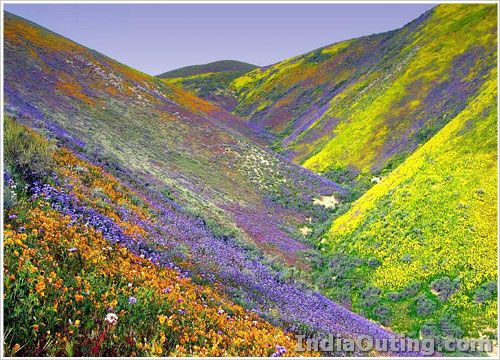
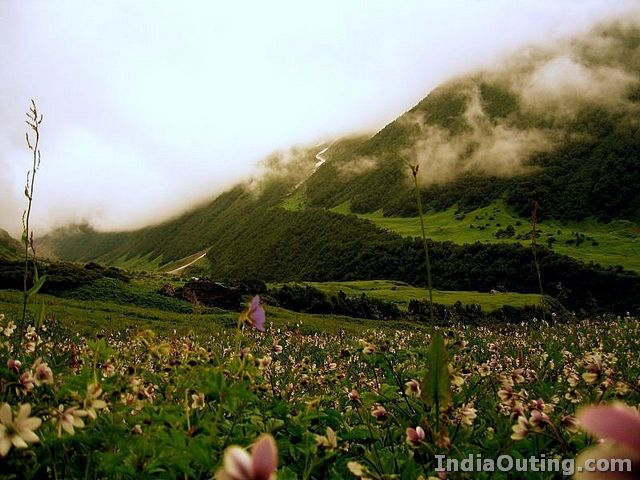
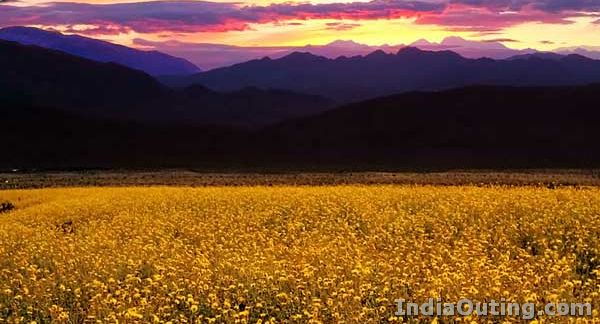
The Valley was discovered by Frank Smith, a mountaineer, botanist and an explorer who came across it quite accidentally in 1931. He was so captivated by its outstanding beauty, which was in its full bloom at the time that he wrote a book about it called “Valley of Flowersâ€. Thus, the Valley remained a secret no more much to the delight of nature enthusiasts all over the world. 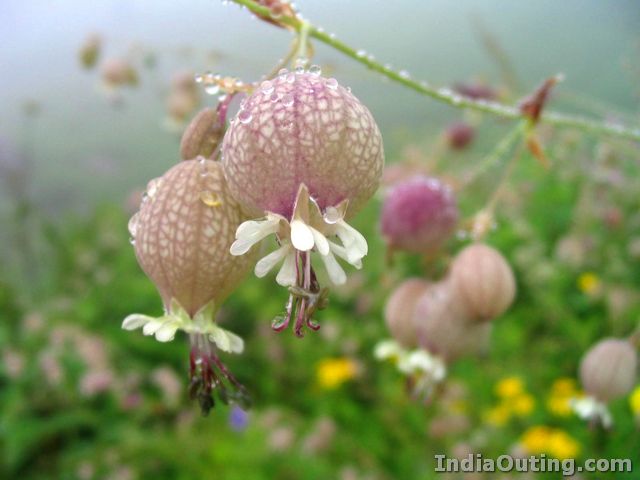
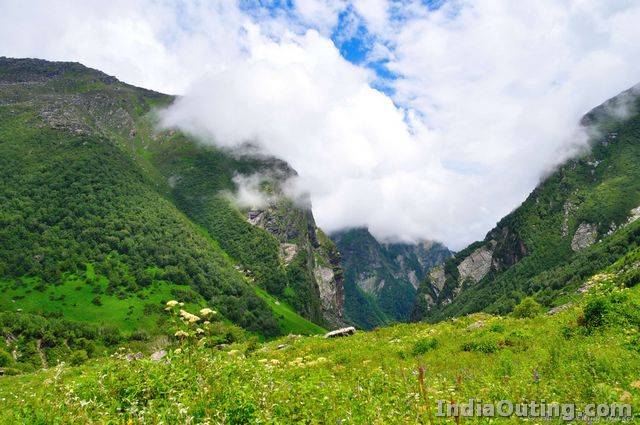
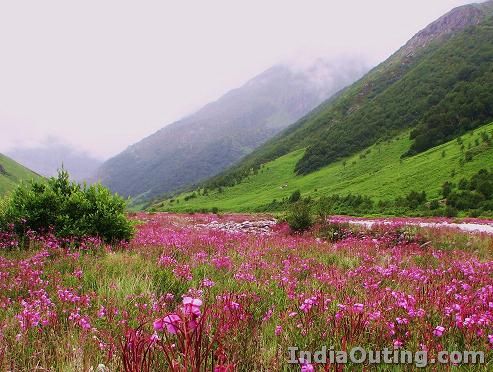
The Valley itself is flanked on either side by imposing peaks, capped with snow. It is divided into two sections due to the Pushpawati River which cuts through the valley. The major portion of this valley is on its right bank and is every trekker’s dream come true. The entire trek from Govindghat to the valley via Ghangharia is a feast to the eyes. The Valley of flowers changes color almost every day, as it blooms with hundreds of new different flowers along with the changing shades of the old flowers as time passes by. It has been acknowledged by botanists, mountaineers and nature lovers as one of the most picturesque high altitude valleys in the world. 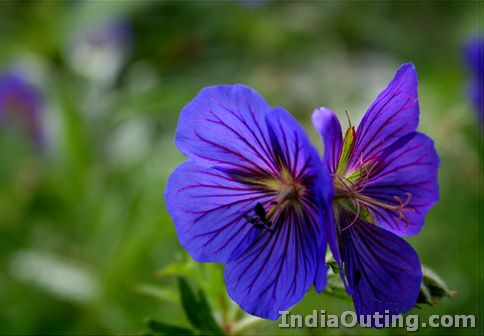
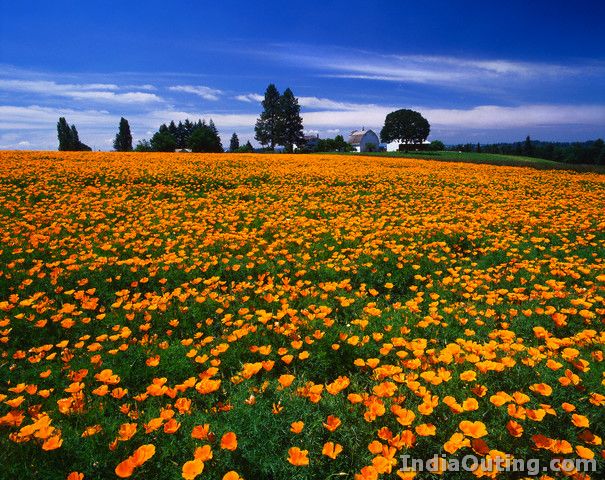
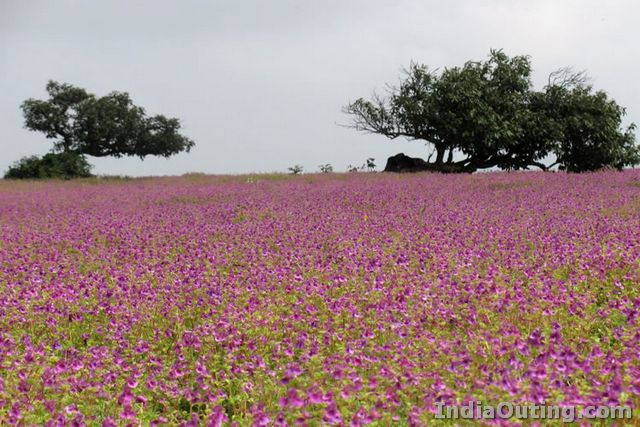
It was only in 1982 that an area of 8,950 hectares of the valley was declared a National Park. In July 2005, it was declared a World Heritage Site by UNESCO. This is mainly due to the fact that the valley contains so much rich diversified fauna within its area especially as it is a meeting point of Zanskar, Himalayan ranges and Eastern and Western Himalayas. The importance of this beautiful valley is furthered as many endangered flower species and medicinal plants can be found here. 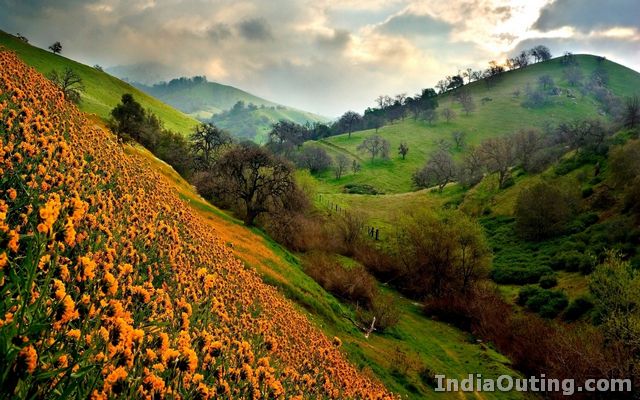
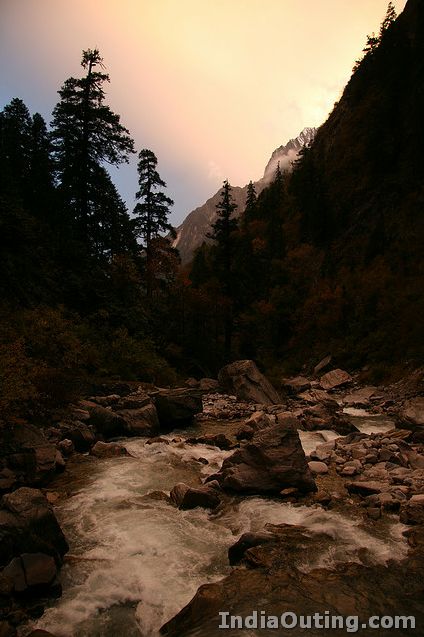
From November to May, the valley is covered in a bed of snow but the flora here is well adapted to the harsh climatic conditions. The best time to visit the Valley of Flowers is in the months of July and August after the snow has melted. The flowers are in full bloom during this time, giving you ample opportunity to enjoy the never ending charm of this place.
( 18 Votes ) Holland is predominantly famous for 2 things, the first is that it’s one of the best places to live in the world (and most liberal), secondly they are the envy of the world when it comes to flowers. They have fields of flowers so famous in fact, that tourists flock to them each year. So it’s not surprising really that Zundert, a country town in the heart of Noord Brabant should be host to what is now the biggest and most impressive flower parade the world has ever seen. 
It’s called Bloemencorso, with each entry being a float made entirely of flowers, but not just any flowers – they can only be dahlias. That’s the only rule – you can create, design and bring to life anything you like. The town and local judges then vote for their favourite flower floats and the winners are celebrated, with their works lauded around town until it all begins again the following year. Organized since 1936, the festival takes place on every 1st Sunday of September and is nothign short of Spectacular! 


Every year, the parade consists of around 20 different floats, the construction of which is non-commercial and totally volunteer. The massive master pieces, created from dahlias only, are put during the summer by the neighborhoods of a town that’s home to 20.000 people only. 


As you can imagine, it takes A LOT of work and even more dedication. Hundreds of people collaborate to construct each float, tediously working away wrapping wire, sticks, glue, cardboard not to mention thousands of flowers together to create these gigantic and jaw-dropping creations. Every year the likes of fish, vampires, tigers & even meerkats got their day in the sun – which makes you wonder more you would get to see in the next few years. 


If you’re in the Netherlands and are planning on attendinging this eye-catching event, you’d better be there between September 1 & 2 – as that’s the confirmed date for the 2013 show. 


Mysore Palace or Mysore Maharaja Palace is one of the largest and most spectacular monuments in the country. Also known as Amba Vilas, it is located in the heart of the city of Mysore. The palace was initially built by the Wodeyar kings in the 14th century. Unfortunately, as it was made of out wood it got burnt down in 1897 during a royal wedding. The current palace construction was commissioned in 1897 and was completed by 1912. Designed by the famous British architect, Henry Irwin, it was built for the twenty-fourth Wodeyar Raja. It was the residence of the Wodeyar Maharaja’s of the Mysore State.
The current palace is built in Indo-Saracenic style and blends together Hindu, Muslim, Rajput and Gothic styles of architecture. The palace itself is a three-storey stone structure which has a series of square towers with arches covered with domes. There is also a large open space in front with an open courtyard in the center which is covered by a gold plated dome about 145 feet off the ground. A striking sculpture of Gajalakshmi, the goddess of wealth, prosperity, good luck is located above the central arch with her elephants. The palace is surrounded by a large garden. The palace houses a collection of exquisite carvings and works of art from all over the world.
The palace also has several unique rooms. These include the public durbar, where the king would host major ceremonial gatherings. There’s also the Kalyana Mantapa, a spectacular octagonal shaped hall where all royal weddings, birthdays and ceremonial functions were celebrated. The Private Durbar, the Gombe Thotti and the portrait gallery are also worth a visit.
The palace is now converted into a museum that is home to souvenirs, paintings, jewellery, royal costumes and other items which were once possessed by the Wodeyars. However, the erstwhile Royal family continues to live in a portion of the Palace. It’s a rainbow of stained glass and mirrors. The lavishly decorated rooms are hidden behind elegantly decorated and intricately carved doors. Musical instruments, costumes, children’s toys and portraits are displayed on the ground floor while the upper floor has a small collection of weapons. It is said that the palace displays the largest collection of gold objects quantity wise.
The Mysore palace complex has a selection of 12 Hindu temples. They have been built over a vast expanse of time with the oldest being built in the 14th century. The latest one was built in 1953. Someshvara Temple, dedicated to God Lord Shiva and Lakshmiramana Temple, dedicated to God Lord Vishnu are some of the more famous temples.
The palace is illuminated with ninety seven thousand bulbs at night on Sundays and during the holiday season of Dasara. It is truly a sight to behold.
Mysore Palace Timings: 10:00am-5:30pm
Entry Charges:
• Indian National- Rs.20/-;
• Foreign Tourist- Rs.200/-
• Free entry for children up to the age of 10.
Mysore Palace Illumination Timings:
• 7:00-8:00pm only on Sundays, National holidays and State festivals.
• 7:00-9:00pm during the Dasara festival.
“High in the Himalayan ranges of Garhwal hills of Uttaranchal lies an enchanted Valley.†About 600 kilometers from Delhi, in the Chamoli district of Uttaranchal can be found The Valley of Flowers, a breathtaking array of over 500 different species of wild flowers spread over an area of 87.5 km². It is situated a height of 11,000 feet to 14,000 feet above the sea level in the Western Himalayas.
This mysterious valley was hidden from the outside world, with only locals frequenting the place. Initially, it was avoided by the shepherds who believed this magical valley to be the celestial playground of the Gods, nymphs and fairies.
The Valley was discovered by Frank Smith, a mountaineer, botanist and an explorer who came across it quite accidentally in 1931. He was so captivated by its outstanding beauty, which was in its full bloom at the time that he wrote a book about it called “Valley of Flowersâ€. Thus, the Valley remained a secret no more much to the delight of nature enthusiasts all over the world.
The Valley itself is flanked on either side by imposing peaks, capped with snow. It is divided into two sections due to the Pushpawati River which cuts through the valley. The major portion of this valley is on its right bank and is every trekker’s dream come true. The entire trek from Govindghat to the valley via Ghangharia is a feast to the eyes. The Valley of flowers changes color almost every day, as it blooms with hundreds of new different flowers along with the changing shades of the old flowers as time passes by. It has been acknowledged by botanists, mountaineers and nature lovers as one of the most picturesque high altitude valleys in the world.
It was only in 1982 that an area of 8,950 hectares of the valley was declared a National Park. In July 2005, it was declared a World Heritage Site by UNESCO. This is mainly due to the fact that the valley contains so much rich diversified fauna within its area especially as it is a meeting point of Zanskar, Himalayan ranges and Eastern and Western Himalayas. The importance of this beautiful valley is furthered as many endangered flower species and medicinal plants can be found here.
From November to May, the valley is covered in a bed of snow but the flora here is well adapted to the harsh climatic conditions. The best time to visit the Valley of Flowers is in the months of July and August after the snow has melted. The flowers are in full bloom during this time, giving you ample opportunity to enjoy the never ending charm of this place
| Page:
|
|
|
|
|
38 |
|
|
|
|
|