PLEASE SIGN AND SHARE, SUPPORT PACMA IN THEIR EFFORTS TO END THIS HORRIFIC EVENT!
IT IS ONLY NECESSARY TO ADD YOUR NAME, AND EMAIL ADDRESS IN THE FIRST 2 BOXES TO SIGN THIS PETITION.
Nombre Completo (Obligatorio) = Name
Correo electrónico (Obligatorio) = Email address
It is also necessary to confirm your signature via the email you will receive after signing.
Google translation:
To: Department of Interior and Justice of the Junta de Castilla y León We protest against the celebration of 'Toro Jubilo', in the town of Medicinal. A celebration that bases its fun to place the iron bull antlers in which are placed two huge fireballs. To place this support is necessary to hold the animal to a wooden post, for which it pulls strongly, including the tail and feet, until the animal, helpless, is completely immobilized.
During the celebration ends suffering burns to the eyes in the vicinity of flames and chunks of tar that fall off of the ball and fall on his skin. The animal desperately tries to escape the fire that he carries, but also in the square where the celebration takes place, there are five stepping ending bonfires trying to flee, which will cause severe burns to the hooves. With the support of this initiative shows our total opposition to the festivities, where the bull is suffering abuse, harassment and humiliation.
Bird World Pet Village, Stop Selling Puppy Mill Puppies.. Bird World Pet Village in Bountiful, Utah sells puppies bought from puppy mills.
What are puppy mills? Facilities where hundreds to even thousands of dogs are kept in small cages their entire life for the sole purpose of profit. The females are bred over and over and over, and when they can no longer be bred, they are disposed of. Health issues are often overlooked.
There have been numerous complaints regarding BWPV. People have bought sick dogs. Some of the illnesses were genetic.
We're not looking to shut down BWPV. We just want them to stop selling these dogs. There are various alternatives they can adopt such as simply selling pet products or even allowing rescues and shelters to hold adoption events there.
A fair look at the evidence shows that humans are optimized for eating exclusively plant foods, and not meat - Consider
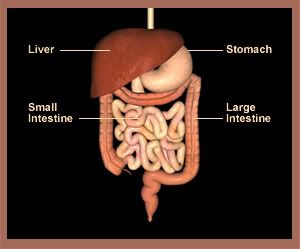
* Human anatomy: We're most similar to other herbivores, and drastically different from carnivores
* Longevity & health: The more meat we eat, the sicker we get - Meat is poison to us - It's the primary reason we get heart disease, cancer, diabetes, osteoporosis, and every other major degenerative disease - If eating meat were natural, it wouldn't destroy our health
* Physical performance: People have much better endurance when they don't eat meat -- whether they're professional athletes or not
Clearly we're capable of eating meat- But that doesn't mean it's natural
You can dress a monkey up in a cute little suit and teach it to perform circus tricks, but just because it can doesn't mean that it's natural -- nor that it should - When I say that meat-eating is unnatural, I mean simply that our bodies aren't optimized to have it be a normal part of our diets -- and we suffer the consequences when we make it so
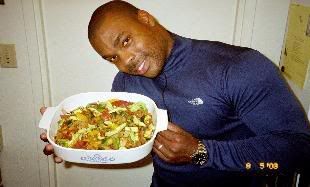
Vegan bodybuilder, Kenneth Williams - Shattering the myth that vegans are skinny and malnourished
The meat-eating reader already has half a dozen objections to this before (s)he's even read the rest of the article, and I will address those objections specifically, but first let me address them generally: It is human nature to want to feel that what we're doing is right, proper, and logical - When we're confronted with something that suggests that our current practices are not the best ones, it's uncomfortable - We can either consider that our choices may not have been the best ones, which is extremely disturbing, or we can reject that premise without truly considering it, so that we don't have to feel bad - And we do this by searching our minds for any arguments we can for why the challenge must be wrong, to justify our current behavior
Think about that for a moment: Our feeling that our current actions are correct isn't based on our arguments - Rather, our actions come first and then we come up with the arguments to try to support those actions - If we were truly logical, we'd consider the evidence first and then decide the best course of action - But often we have it in reverse, because it's too difficult to accept that we might have been wrong
This is particularly true when it comes to veg{....etari}anism - It is quite easy to identify because the anti-....veg{etari}an arguments are usually so weak and desperate, compared to other kinds of discourse - A person who would never normally suggest something so fantastic as the idea that plants can think and feel pain, will suddenly all but lunge for such an argument when they feel their meat-eating ways are being questioned - It's human nature
At an earlier point in my life, I was in the same position as you probably are - My habits were challenged by a book I ran across in the library called Going Vegetarian - I didn't want to consider it fairly, because I wanted to keep eating meat
I'd grown up eating it, and I liked it - And there was another reason: I'd grown up in a small farming community raising and killing chickens - Accepting the book's premise really meant that I'd have to admit that I might not have made the best choices - So I came up with various weak defenses to justify my behavior - But deep down I knew I was kidding myself, and practicing a form of intellectual cowardice - When I considered the arguments honestly, I stopped eating animals - That was over 20 years ago and it was absolutely the best decision I ever made
So I challenge you: stop trying to figure out ways that I "must" be wrong even before you've bothered to read the rest of this article - Instead, read it, and actually consider it rather than reflexively trying to come out with ways to dismiss it out of hand - You can certainly still disagree after you've considered all the evidence -- but not before
Most meat-eating readers will find it necessary to try to defeat me, at least in their minds, so let's consider what constitutes doing so: providing more and better evidence for your position - You do not win the argument by making a single point, as most of the readers who email me seem to think - The evidence favoring a plant diet for humans is clear, convincing, and overwhelming - There is definitely some evidence for the other side, to be sure, but it's simply not nearly as strong - What I'm saying is, if there are 30 strong points for, and you come up with one or two against, which is the better position? I mention this because the people who email me about this article seem to believe that whoever makes the fewest points has presented the most convincing case - They somehow seem to believe that all the evidence I present somehow disappears into thin air when they present their lone argument, such as that humans have canine teeth - Please don't fall into that trap
Many believe that lunging at at the minority of evidence in the red box makes their position compelling - But it doesn't - The only way to make that position compelling is to make the box bigger - A whole lot bigger
But haven't humans always eaten meat?
The angry people who email me always insist, "But humans have always eaten meat!" I can't think of a better example of a case in which people believe something to be true just because they assume it is - We all grew up thinking that our ancestors were meat-eaters, but where did we get that idea? Is it true just because it's part of our collective consciousness? More importantly, what does the evidence say?
John AMcDougall, M D, perhaps the most knowledgable expert on the relationship between diet and disease, asserts that our early ancestors from at least four million years ago followed diets almost exclusively of plant foods - Many other scientists believe that early humans were largely veg{etari}an - (See articles by Grande & Leckie and Derek Wall) - This is important because while prehistoric peoples hunted animals, that is still a relatively recent development in the long period of human existence - Certainly not long enough for our bodies to have adapted to it from evolution - Here's some evidence: The Maasai in Kenya, who still eat a diet high in wild hunted meats, have the worst life expectancy in the world (Fuhrman)
There's another important fact never acknowledged by meat proponents: Humans act by idea rather than by instinct - Other animals are programmed to know what food is - We are not - For us, it's learned behavior - Or in some cases, guessed behavior We can make choices about what we should eat even if that's contrary to good health, as millions prove every day when they eat at McDonald's - If our ancestors ate meat, they were simply being human and making choices rather than acting on instinct - Think about it: Do you really believe that cavemen were true experts about nutrition? If so, what other major decisions about your life would you like to put in the hands of a caveman?
What it means to be an omnivore
There is no question that humans are capable of digesting meat- But just because we can digest animals does not mean we're supposed to, or that it will be good for us - We can digest cardboard - That does not mean we should
If the evidence shows that our anatomy favors the digestion of plant foods, and we're healthier when we eat less animal foods, what do we make of the fact that we're capable of eating animals? It's simple: We have the ability to eat a wide variety of foods as a survival mechanism - The fact that we can eat just about anything, including meat, is very handy, from a biological point of view - But the fact that we're able to doesn't mean that we're designed to - The evidence for this is that our biology is similar to that of other herbivores, and the more animal foods we incorporate into our diets, the more our health suffers - In fact, it is rather specious to claim that humans are natural meat-eaters considering how poorly we fare when we do so
McDougall explains how the ability to digest animal foods didn't hurt our survival as a race, although it takes a toll on our lifespan:
"Undoubtedly, all of these [........meat-....containing] diets were adequate to support growth and life to an age of successful reproduction - To bear and raise offspring you only need to live for 20 to 30 years, and fortuitously, the average life expectancy for these people was just that - The few populations of hunter-....gatherers surviving into the 21st Century are confined to the most remote regions of our planet &endash;- like the Arctic and the jungles of South America and Africa &endash;- some of the most challenging places to manage to survive - Their life expectancy is also limited to 25 to 30 years and infant mortality is 40% to 50% - Hunter-....gatherer societies fortunately did survive, but considering their arduous struggle and short lifespan, I would not rank them among successful societies"
Finally, our physiology is much more similar to that of other plant-eaters than it is of true omnivores, as we'll see shortly
Considering the other primates
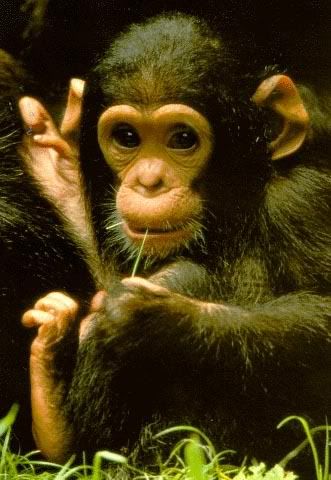
Our closest animal relatives are primates - They provide clues about our ideal diet since our anatomy is so similar - Very few of them eat any significant amount of animals, and those who do typically mostly stick to things like insects, not cows, pigs, and chickens - Jane Goodall, famous for her extensive study of apes while living with them, found that it was very rare for the primates she saw to eat other animals - Critics lunge all over the fact that Goodall discovered that primates occasionally eat meat - But the key word here is occasionally - If we ate meat is infrequently as the other primates did, our health would be a lot better - Goodall herself apparently wasn't impressed by primates' occasional eating of meat: Jane Goodall is a vegetarian
Why humans are primarily plant-eaters by design
How slight is the other primates' animal consumption? This article on primate eating habits from Harvard has a bar graph of all the things that chimps and monkeys eat (Fig 3), and meat isn't even in the chart - What they do eat is fruit, seeds, leaves, flowers, and pith - There is a category called "........Miscellaneous"...., which for most species amounts to less than 5% of their diet, and for chimps and redtail monkeys less than 1% - The Honolulu Zoo gives a slighty higher figure, saying that non-plant consumption is 5% of a chimp's diet, but this includes their main non-plant food, termites -you slice it, their diet is at least 95% plants
Which brings up another point: The people who hysterically scream at me that chimps are omnivores, besides ignoring that chimps' meat consumption is so small as to be virtually non-existent, never acknowledge that the non-plant foods chimps eat are not the same things humans eat - Chimps do not eat cattle and chickens - And humans don't eat termites - The idea that the meat-laden American diet can be justified because chimps may eat a whopping 5% of non-plant foods, none of it cattle or chickens, and much of it termites, is rather silly
Let's use the Harvard article's figure for chimps and round it up to a generous 1% - If that were beef -- which it is not -- how much beef would that be? About 1/3 of an ounce, or 1/50 of a pound - That's about 1/7th of a medium carrot - Yes, there you have chimps' overwhelming "omnivorism"
Consider also that even though primates eat meat sparingly, there again it's likely because they're intelligent and like humans are able to make choices to act outside of instinct - As other writers put it, "While chimpanzees are known to kill, this behaviour is not necessarily dietary but ritualistic" - Eugene Khutoryansky who does believe that eating meat is natural, still cautions that the implications of that should give us pause:
Eating meat is indeed natural in the sense that other animals do it as well - In fact, it is even done on occasion by our closest living relatives, the chimpanzees- However, there are many other things which are also natural - For example, chimpanzee males sometimes rape the females in their tribe - Chimpanzees sometimes engage in organized warfare against other tribes with which they compete for territory - A chimpanzee male, in a moment of rage, sometimes picks up a nearby infant, and crushes his skull against a rock - And chimpanzees do on occasion eat meat, and they do on occasion engage in cannibalism, in spite of the fact that there is a plentiful supply of food from other sources
So eating meat is indeed absolutely natural- However, the fact that it is natural does not imply that it is ethically permissible - If we believed that eating meat was ethically permissible simply because other animals did it as well, then this would imply that there is nothing wrong with rape, cannibalism, or infanticide, all of which routinely occurs throughout the animal kingdom
Humans lack a desire to eat whole animals
True carnivores (and omnivores) get excited about eating whole prey animals when they see them - Humans do not - We're interested in eating the body parts only because they've been removed from the original animal and processed, and because we grew up eating them, making it seem perfectly normal - It's amazing how much of a disconnect we've been able to learn about the difference between animals and food - As GoVeg puts it:
While carnivores take pleasure in killing animals and eating their raw flesh, any human who killed an animal with his or her bare hands and dug into the raw corpse would be considered deranged - Carnivorous animals are aroused by the scent of blood and the thrill of the chase - Most humans, on the other hand, are revolted by the sight of raw flesh and cannot tolerate hearing the screams of animals being ripped apart and killed - The bloody reality of eating animals is innately repulsive to us, more proof that we were not designed to eat meat
Ask yourself: When you see dead animals on the side of the road, are you tempted to stop for a snack? Does the sight of a dead bird make you salivate? Do you daydream about killing cows with your bare hands and eating them raw? If you answered "no" to all of these questions, congratulations........&..amp;..emdash;you're a normal human herbivore&..amp;....emdash;like it or not - Humans were simply not designed to eat meat - Humans lack both the physical characteristics.... of carnivores and the instinct that drives them to kill animals and devour their raw carcasses
Comparing humans to other animals
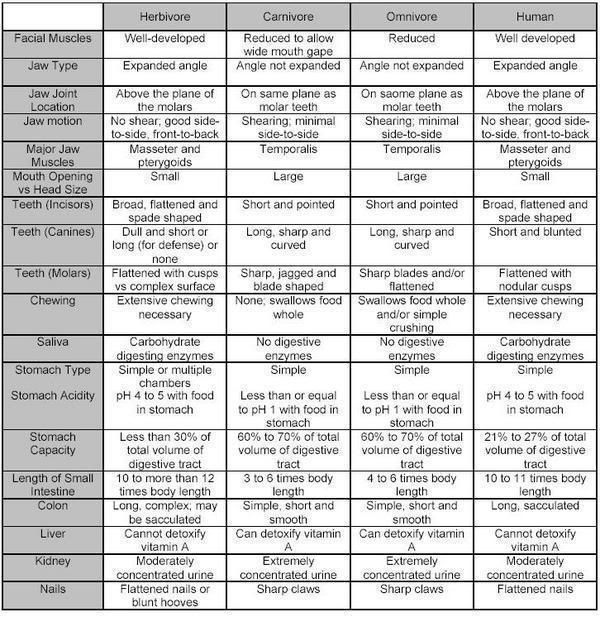
Human physiology is strikingly similar to that of other plant-eaters, and quite unlike that of carnivores - It is telling that in none of the horribly misspelled missives that readers have sent in to argue with me do they ever deny the data in the following table - They simply think that by making some other point (e g , that humans possess canine teeth) that somehow obliterates the more convincing data in the table
Meat-Eaters
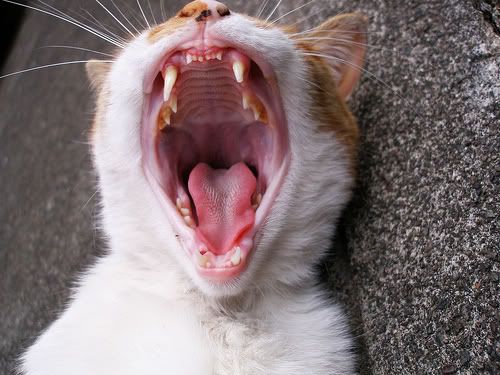
Carnivorous animals, including the lion, dog, wolf, cat, etc, have many unique characteristics.... which set them apart from all other members of the animal kingdom - They all possess a very simple and short digestive system -- only three times the length of their bodies - This is because flesh decays very rapidly, and the products of this decay quickly poison the bloodstream if they remain too long in the body - So a short digestive tract was evolved for rapid expulsion of putrefactive bacteria from decomposing flesh, as well as stomachs with ten times as much hydrochloric acid as non-....carnivorous animals (to digest fibrous tissue and bones) - Meat-eating animals that hunt in the cool of the night and sleep during the day when it is hot do not need sweat glands to cool their bodies; they therefore do not perspire through their skin, but rather they sweat through their tongues - On the other hand, vegetarian animals, such as the cow, horse, zebra, deer, etc, spend much of their time in the sun gathering their food, and they freely perspire through their skin to cool their bodies - But the most significant difference between the natural meat-eaters and other animals is their teeth - Along with sharp claws, all meat-eaters, since they have to kill mainly with their teeth, possess powerful jaws and pointed, elongated, "canine" teeth to pierce tough hide and to spear and tear flesh - They do NOT have molars (flat, back teeth) which vegetarian animals need for grinding their food - Unlike grains, flesh does not need to be chewed in the mouth to predigest it; it is digested mostly in the stomach and the intestines - A cat, for example, can hardly chew at all
Plant-Eaters
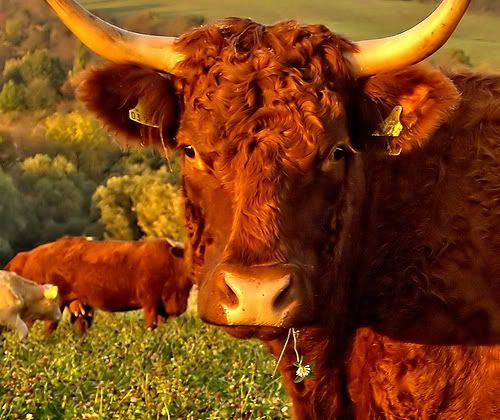
Grass-........and-....leaf-eating animals (elephant, cow, sheep, llama, etc) - live on grass, herbs, and other plants, much of which is coarse and bulky - The digestion of this type of food starts in the mouth with the enzyme ptyalin in the saliva- these foods must be chewed well and thoroughly mixed with ptyalin in order to be broken down - For this reason, grass-and-leaf eaters have 24 special "molar" teeth and a slight side-to-side motion to grind their food, as opposed to the exclusively up-and-down motion of carnivores - They have no claws or sharp teeth; they drink by sucking water up into their mouths as opposed to lapping it up with their tongue which all meat eaters do - Since they do not eat rapidly decaying foods like the meat eaters, and since their food can take a longer time to pass through, they have much longer digestive systems -- intestines which are ten times the length of the body
Interestingly, recent studies have shown that a meat diet has an extremely harmful effect on these grass-and-leaf eaters - Dr William Collins, a scientist in the New York Maimonedes Medical Center, found that the meat-eating animals have an "almost unlimited capacity to handle saturated fats and cholesterol" - If a half pound of animal fat is added daily over a long period of time to a rabbit's diet, after two month his blood vessels become caked with fat and the serious disease called atheriosclerosi....s develops - human digestive systems, like the rabbit's, are also not designed to digest meat, and they become diseased the more they eat it, as we will later see
Fruit-eaters include mainly the anthropoid apes, humanity's immediate animal ancestors - The diet of these apes consists mostly of fruit and nuts - Their skin has millions of pores for sweating, and they also have molars to grind and chew their food; their saliva is alkaline, and, like the grass-and-leaf eaters, it contains ptyalin for predigestion - Their intestines are extremely convoluted and are twelve times the length of their body, for the slow digestion of fruits and vegetables
Human Beings
Human characteristics are in every way like the fruit eaters, very similar to the grass- eater, and very unlike the meat eaters, as is clearly shown in the table above - The human digestive system, tooth and jaw structure, and bodily functions are completely different from carnivorous animals - As in the case of the anthropoid ape, the human digestive system is twelve times the length of the body; our skin has millions of tiny pores to evaporate water and cool the body by sweating; we drink water by suction like all other vegetarian animals; our tooth and jaw structure is vegetarian; and our saliva is alkaline and contains ptyalin for predigestion of grains - Human beings clearly are not carnivores by physiology -- our anatomy and digestive system show that we must have evolved for millions of years living on fruits, nuts, grains, and vegetables
Furthermore, it is obvious that our natural instincts are non-....carnivorous - Most people have other people kill their meat for them and would be sickened if they had to do the killing themselves - Instead of eating raw meat as all flesh-eating animals do, humans boil, bake, or fry it and disguise it with all kinds of sauces and spices so that it bears no resemblance to its raw state- One scientist explains it this way "- A cat will salivate with hungry desire at the smell of a piece of raw flesh but not at all at the smell of fruit - If man could delight in pouncing upon a bird, tear its still-living limbs apart with his teeth, and suck the warm blood, one might conclude that nature provided him with meat-eating instinct - On the other hand, a bunch of luscious grapes makes his mouth water, and even in the absence of hunger he will eat fruit because it tastes so good "
So it is clear from scientific studies that physiologically...., anatomically, and instinctively, man is perfectly suited to a diet for fruit, vegetables, nuts, and grains - This is summarized in the table above
As another author said, "The human body was not designed to catch or eat animals - You have no claws - Your teeth do not rend flesh - Your mouth can not seriously wound nor is it made to really get a good bite into an struggling victim like true carnivores can - You are not fit to run fast to catch prey- Meat-eaters have fast enough reflexes to ambush or overtake a victim - You do not - Try catching a pig or a chicken with your bare hands; see what happens"
"But what about canine teeth and binocular vision?"
It's part of our collective consciousness that we have "canine teeth" and that this "proves" that we're meat eaters - But the truth is that this argument couldn't be weaker
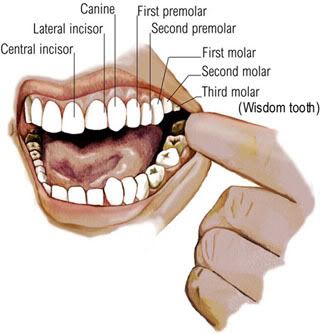
Humans' so-called "canine teeth" are unlike the canine teeth of actual canines, which are really long and really pointed - Our teeth are absolutely not like theirs - In fact, other vegetarian animals (like gorillas and horses) possess the same so-called "canine" teeth
Overall, our teeth resemble those of plant-eaters much more than meat-eaters - For example, we have molar teeth (plant-eaters do, carnivores don't) - Try to find a human-type molar inside your cat's mouth - Our teeth can also move side to side to grind, just like the other plant-eaters, and completely unlike the carnivores - Their jaws go only up and down
My favorite quote from when someone brought up the canine rationalization.... on a message board:
"Hey Julia--we evolved with canine teeth? I'd like to see you tackle a steer and tear it apart with those ferocious incisors"
What's funny to me is how the teeth argument is so important to meat proponents when they make their point about canine teeth, and then as soon as they find out that our teeth are much more similar to those of herbivores than of carnivores, and therefore consideration of our teeth suggests that we're designed to be plant eaters -- suddenly what kind of teeth we have is not so important to them after all
Others have argued that predators have eyes on the front of their heads for binocular vision, while prey animals have eyes on the sides, indicating that we fall into the predator camp - This ignores the fact that the animals that we're most similar to -- the other primates -- have eyes on the front of their heads, and are almost exclusively vegetarian - It's also important to remember what I said at the top of this article: There is certainly evidence on both sides of this debate, but the preponderance of evidence clearly shows that we're suited to eating plants almost exclusively
"You're not taking into account evolution"
Of course I'm not - Anyone making the claim that we evolved to eat meat through relatively recently-....developed hunting skills only demonstrates how poorly they understand evolution, which takes place over a much longer period of time - Besides, if we had truly evolved to be meat-eaters, it wouldn't kill us when we do so, which is the next topic ---
If meat is so good for us, it wouldn't kill us
The medical evidence is overwhelming and indisputable: The more animal foods we eat, the more heart disease, cancer, diabetes, and other degenerative disease we suffer - This has been exhaustively demonstrated beyond any doubt - If it were natural for us to eat these food, they wouldn't kill us - The fact that health can be regained by laying off meat and dairy is powerful evidence that we shouldn't have been eating those foods in the first place
Dean Ornish, MD was the first person to prove that heart disease can be reversed, and he did so by feeding his patients a vegetarian diet - John McDougall, MD has also written extensively about how animal foods cause disease, and how people can regain their health by eating vegan instead - The esteemed T Colin Campbell oversaw the most massive study of the relationship between diet and disease, the China Study, which the New York Times caled "the grand prix of epidemiology" - - His conclusions are the same as the other experts: we're not designed to eat animal foods, because we get sick when we do so
There is no need to argue with me about this
If you feel otherwise, let's just agree to disagree - I've received a ton of email on this issue, none of it illuminating, most of it badly misspelled, and I simply don't have the time nor desire to debate everyone who wants to argue with me- And trust me, I have definitely heard every argument - (I stopped hearing genuinely new arguments approximately 19 years ago) - If you feel so strongly about your position that you absolutely must make it known, then simply do what I did: Put up your own web page espousing your own views - You can be confident that I will not write to you to argue about what you have written source
Yes, DOGS and CATS are slaughtered for their meat and skins in China (China exports their skins around the world). *Since leather is normally not labeled, you never really know where (or whom) it came from.
Most leather comes from developing countries like India and China, where animal welfare laws are either non-existent or not enforced.
Many of the millions of cows and other animals who are killed for their skin endure the horrors of factory farming—Along with extreme crowding and deprivation, the animals must go through a series of painful procedures.
ALL THE FOLLOWING ARE DONE WITHOUT ANY PAINKILLER:
*castration *branding *tail-docking *dehorning *and even skinning the animal alive!
InIndia, a PETA investigation found that cows have their tails broken and chili peppers and tobacco rubbed into their eyes in order to force them to get up and walk after they collapse from exhaustion on the way to the slaughterhouse. At slaughterhouses, animals routinely have their throats slit and are skinned and dismembered while they are still conscious after improper stunning.
Most of the millions ofanimals slaughtered for their skin endure the horrors of factory farming before being shipped to slaughter, where many are skinned alive. Buying leather directly contributes to factory farms and slaughterhouses since skin is the most economically important byproductof the meat-packing industry. *Leather is also no friend of the environment since it shares all the environmental destruction ofthe meat industry, in addition to the toxins used in tanning
With every pair of leather shoes that you buy, you sentence an animal to alifetime of suffering. Instead, you can choose from hundreds of styles of nonleather shoes, clothing, belts, bags, and wallets. Fashion shouldbe fun, not fatal! Read more about the cruelty of the leather industry.
A sequel of the 2008 film “Meat the Truth†on the impact of livestock raising on global warming, a new film titled “Sea the Truth†presents the equally destructive consequences of overfishing. The new documentary, which premiered last week in a special showing in Amsterdam, the Netherlands, was commissioned by the Nicolaas G. Pierson Foundation, the scientific bureau of the Dutch Party for the Animals, and features the acclaimed Dutch underwater photographer and conservationist Dos Winkel.
Dos Winkel – Dutch ocean photographer and conservationist, Shining World Hero Award, Vegetarian (M): Nobody sees what’s happening underwater, and what’s happening underwater is the biggest destruction of nature, in general, on Earth. I tried to make it visible by beautiful images of underwater life. When people see that, they get the idea, “Okay, it’s that beautiful, we have to protect it.†And in order to protect it, well, you have to take severe measures, like stopping eating fish. Stopping all the fisheries in the world.
Supreme Master Ching Hai : The marine ecosystem is in big trouble right now from global warming already. Further fishing will only make matters worse. Also, mercury poisoning causes problems to aquatic life even before it gets to the humans. These are things we need to address in trying to save our planet, not to talk about our health also. Eating fish will definitely not help this.
The ocean is a wonderful recycler that normally can purify the water and create nutrients and turn carbon dioxide into oxygen, etc. The ocean is a miracle. But if we ruin the ecosystems, this will spell disaster for us.
Supreme Master Ching Hai : It’s better for our body, for our conscience, for our mind, and for the planet to stay away from fish. We should be vegan.
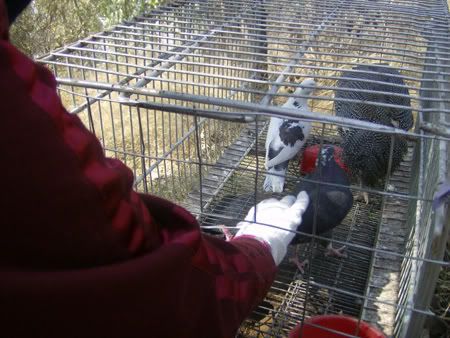
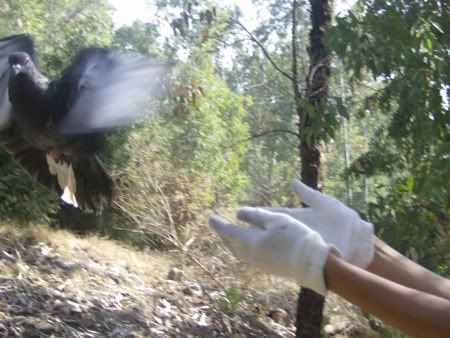
Buddhist practice of rescuing animals, birds, fish and so forth that are destined for slaughter or that are permanently caged. They are released to a new physical and spiritual life. The practice exemplifies the fundamental Buddhist teaching of compassion for all living beings. A disciple of the Buddha must maintain a mind of kindness and cultivate the practice of liberating beings. He should reflect thus: 'All male beings have been my father and all females have been my mother. There is not a single being who has not given birth to me during my previous lives, hence all beings of the Six Destinies are my parents. Therefore, when a person kills and eats any of these beings, he thereby slaughters my parents. Furthermore, he kills a body that was once my own, for all elemental earth and water previously served as part of my body and all elemental fire and wind have served as my basic substance. Therefore, I shall always cultivate the practice of liberating beings and in every life be reborn in the eternally-​​​​​abiding Dharma and teach others to liberate beings as well.
Whenever a Bodhisattva sees a person preparing to kill an animal, he should devise a skilful method to rescue and protect it, freeing it from its suffering and difficulties (BNS I 162) In China this practice was made popular by the Venerable Jr-Yi (see entry) and has continued to the present day. Developing our Compassion by Liberating Living Beings "Once a month at the City of Ten Thousand Buddhas, we liberate animals destined for slaughter. We purchase them from the wholesalers, bring them to some appropriate place, and let them go free. We recite mantras, sutras, and praises on their behalf, so that they can hear them, and so that the merit of our recitation can be transferred to them. This traditional Buddhist practice, called"​​​​​liberating living beings', has always been praised and honored by the sages and high masters.
"By liberating living beings, we also nurture compassion in our hearts. By not killing, we cultivate compassion. In letting living creatures go, we also cultivate compassion. The compassion in our hearts grows greater every day until it becomes as great as that of the greatly compassionate Bodhisattva Observer of the World's Sounds (​​​​​Avalokiteshvara​)​​​​​.​​​​​
"Bodhisattva Observer of the World's Sounds did not kill living beings; she alwaysliberated​ them, and so she has a greatly compassionate heart. We should imitate the great kindness and compassion of Bodhisattva Observer of the World's Sounds and liberate living beings. The principle is very logical: if you liberate life, you increase your compassion. Liberating living beings is just liberating ourselves. Why? Because we and all living beings are basically of one substance. We should think this way: 'If someone put me in a cage, wouldn't I be uncomfortable? Wouldn't I wish that someone would let me go? If I were put in jail, I would notwant to stay there. Likewise, I don't like to see birds put in cages. This is because living beings and I are of one substance. Since I feel this way, I want to liberate living beings.
"What is more, you don't know which living being was related to you in a past life. One might have been your father, or your brother, or your sister. You can't know for sure. Perhaps they were your children, or your friends. Right now you haven't gained the use of the Heavenly Eye or the Penetration of Past Lives, and so you don't know what kinds of causes and effects belong to each animal and yet, when you see these creatures, you feel uncomfortable and want to set them free. Setting them free isn't a stupid thing to do by any means, as some people might think. It is an aspect of cultivation. There isn't just one way to cultivate. There are eighty-four thousand Dharma-doors in cultivation, and every single door leads to the realization of supreme enlightenment. Liberating living beings is one of them. We must be careful not to think of it as 'stupid'. If we have that kind of attitude, we will obstruct our own cultivation.
"I just said that we wouldn't want to be locked in jail. I will tell you the truth. This is not an analogy. Your own body is, in fact, a cage! You are stuck in your own body and you are not yet able to get out of it. Until we have gained a very high level of spiritual practice and wisdom, we will remain stuck in the cages that are our bodies. Only then will we have liberated our own lives. That's the real liberation of the living. If we want to liberate our own lives, we must first liberate the lives of those little creatures. The one kind of liberating the living helps the other kind.
"Liberating living beings is a very important aspect of Buddhist practice. But if one hasn't understood this yet, one might think it a very ordinary affair. If we don't cultivate the one kind of liberating the living, we won't be able to obtain the other kind. There are many changes and transformations​,​​​​​ and so don't look upon this lightly. Liberating the living brings returns on one's own efforts." (Venerable Master Hsuan Hua, PDS, May, 1985) "Why do we liberate [living creatures]? It is because if we ransom creatures that were destined to be slaughtered for food and then set them free, then they can live out their natural lifespans. This in turn enables the people who liberate the living to enjoy a long life.
"Why are there wars in the world? It is because our collective killing karma is so heavy. If in this life I kill you, in the next life, you'll kill me, and in the life after that I'll come back to kill you. This cycle of killing continues forever. People kill animals and in their next life they become animals. The animals which they once killed now return as people to claim revenge.This goes on and on. There is endless killing and bloodshed. When incidents of slaughter multiply until the resentment can no longer becontained, they explode into massive world wars, with the resultant huge massacres and horrendous destruction. On the battlefield, people are propelled by resentment and enmity that has accumulated during many lifetimes, and they go absolutely berserk, lashing out at one another like savages. 'You kill one person? I'll kill ten!' They take revenge on one another like that. Wars are the painful results of killing karma created in our past lives.
"Therefore, we liberate the living to diminish our killing karma. The more people engage in liberating the living, the less killing they will do. Wars will proportionately​ decrease. We who cultivate these compassionate practices do not oppose war: we just don't go to war. We don't kill but instead we set living creatures free. This is the true and ultimate way to eliminate war. It is also a gateway to long life and health and to the eradication of disasters and illnesses. The merit and virtue that one accumulates from liberating animals is boundless. It enables you to cause living beings to live out the full extent of their natural lifespans. In addition, you benefit personally because illnesses are averted. As a result you enjoy good health and are able to peacefully cultivate the Way.
"The purpose of liberating the living is to protect the lives of creatures. It is a Dharma-door that exemplifies the Buddha's compassion. Everyone should protect living creatures and not abuse or slaughter them."
"In liberating the living You yourself will live long. Health, riches and blessings Will descend upon you, never-ending."
Posted by Dr. Denise L Herzing and Dr. Lori Marino, Human-Nonhuman Relationship Board
Over the millennia humans and the rest of nature have coexisted in various relationships. However the intimate and interdependent nature of our relationship with other beings on the planet has been recently brought to light by the oil spill in the Gulf of Mexico. This ongoing environmental disaster is a prime example of “profit over principle†regarding non-human life. This spill threatens not only the reproductive viability of all flora and fauna in the affected ecosystems but also complex and sensitive non-human cultures like those we now recognize in dolphins and whales.
Although science has, for decades, documented the links and interdependence of ecosystems and species, the ethical dilemma now facing humans is at a critical level. For too long have we not recognized the true cost of our life styles and priorities of profit over the health of the planet and the nonhuman beings we share it with. If ever the time, this is a wake up call for humanity and a call to action. If humanity is to survive we need to make an urgent and long-term commitment to the health of the planet. The oceans, our food sources and the very oxygen we breathe may be dependent on our choices in the next 10 years.
And humanity’s survival is inextricably linked to that of the other beings we share this planet with. We need a new ethic.
Many oceanographers and marine biologist have, for a decade, sent out the message that the oceans are in trouble. Human impacts of over-fishing, pollution, and habitat destruction are threatening the very cycles of our existence. In the recent catastrophe in the Gulf, one corporation’s neglectful oversight and push for profit has set the stage for a century of clean up and impact, the implications of which we can only begin to imagine.
Current and reported estimates of stranded dolphins are at fifty-five. However, these are dolphins visibly stranded on beaches. Recent aerial footage, on YouTube, by John Wathen shows a much greater and serious threat. Offshore, in the “no fly zone†hundreds of dolphins and whales have been observed in the oil slick. Some floating belly up and dead, others struggling to breathe in the toxic fumes. Others exhibit “drunken dolphin syndrome†characterized by floating in an almost stupefied state on the surface of the water. These highly visible effects are just the tip of the iceberg in terms of the spill’s impact on the long term health and viability of the Gulf’s dolphin and whale populations, not to mention the suffering incurred by each individual dolphin as he or she tries to cope with this crisis.
Known direct and indirect effects of oil spills on dolphins and whales depend on the species but include, toxicity that can cause organ dysfunction and neurological impairment, damaged airways and lungs, gastrointestinal ulceration and hemorrhaging, eye and skin lesions, decreased body mass due to limited prey, and, the pervasive long term behavioral, immunological, and metabolic impacts of stress. Recent reports substantiate that many dolphins and whales in the Gulf are undergoing tremendous stress, shock and suffering from many of the above effects. The impact to newborns and young calves is clearly devastating.
After the Exxon Valdez spill in Prince William Sound in 1989 two pods of orcas (killer whales) were tracked. It was found that one third of the whales in one pod and 40 percent of the whales in the other pod had disappeared, with one pod never recovering its numbers. There is still some debate about the number of missing whales directly impacted by the oil though it is fair to say that losses of this magnitude are uncommon and do serious damage to orca societies.
Yes, orca societies. Years of field research has led to the conclusion by a growing number of scientists that many dolphin and whale species, including sperm whales, humpback whales, orcas, and bottlenose dolphins possess sophisticated cultures, that is, learned behavioral traditions passed on from one generation to the next. These cultures are not only unique to each group but are critically important for survival. Therefore, not only do environmental catastrophes such as the Gulf oil spill result in individual suffering and loss of life but they contribute to the permanent destruction of entire oceanic cultures. These complex learned traditions cannot be replicated after they are gone and this makes them invaluable.
On December 10, 1948 the General Assembly of the United Nations adopted and proclaimed the Universal Declaration of Human Rights, which acknowledges basic rights to life, liberty, and freedom of cultural expression. We recognize these foundational rights for humans as we are sentient, complex beings. It is abundantly clear that our actions have violated these same rights for other sentient, complex and cultural beings in the oceans – the dolphins and whales. We should use this tragedy as an opportunity to formally recognize societal and legal rights for them so that their lives and their unique cultures are better protected in the future.
Recently, there was a meeting of scientists, philosophers, legal experts and dolphin and whale advocates in Helsinki, Finland, who drafted a Declaration of Rights for Cetaceans a global call for basic rights for dolphins and whales. You can read more about this effort and become a signatory here: http://cetaceanconservation.com.au/cetaceanrights/. Given the destruction of dolphin and whale lives and cultures caused by the ongoing environmental disaster in the Gulf, we think this is one of the ways we can commit ourselves to working towards a future that will be a lifeboat for humans, dolphins and whales, and the rest of nature.
This is a great demonstration by Karen Knowler. She uses almonds in this recipe which also make a delicious milk.
The Raw Food Coach: Chocolate Smoothie
The Raw Food Coach: Almond Milk
How to make nut milk
Why make nut milk when you can just as easily buy Rice Dream or Almond Breeze in the hippy section of your local supermarket? The packaged nut milks you get in stores have been pasteurized which damages the enzymes and nutrients contained in raw, unheated nuts. Plus its super easy!
Basically, there are four ways to make nut milks: the Grinder Method, the Soaking Method, the Soy Milk Maker Method and the “Don’t Ditch the Pulp†Method. Nut milks can be stored up to two days in the fridge.
The Soaking Method
Soak nuts in about 4 cups of water for at least 4 hours or overnight in your fridge. You can either cover the nuts or not… either way is fine. Using this method the nuts don’t have to be skinned.
1. Place the nuts and soaking water in a high speed blender and blend on high speed until smooth. 2. Pour contents through a fine mesh sieve or a nut milk bag into a glass jar or pitcher 3. If using sweeteners or fortifiers stir in with spoon or put back into blender and blend in
The Soy Milk Maker Method
1. Soak 1 cup of nuts in 2 cups of water for at least 4 hours or overnight in your fridge. 2. Place drained nuts in the filter cup of your soy milk maker and attach to motor base. Fill the pitcher with water and place motor base on the pitcher. Plug in machine. 3. Follow the manufacturer’s instructions and set the soy maker to the grind cycle. Make sure it is NOT set to any of the heat cycles. 4. Pour contents through a fine mesh sieve into a glass jar or pitcher 5. If using sweeteners or fortifiers stir in with spoon or put back into blender and blend in
The “Don’t Ditch the Pulp†Method
This is my personal favorite. When I make nut milks it’s usually a combination of the grinder method and this method. Simply put, you don’t strain the milk and you benefit from all the nutrients that the pulp contains. This works equally well with soaked or un-soaked nuts.
Need more of a tutorial on using nut milk bags? click here!
Strawberry Cardamom “Milkâ€
⅓ cup raw cashews, ground fine (if you have a Vitamix you won’t need to grind them)
1 Tbsp Flaxseed, ground fine 1 cup ripe strawberries ¼ Tsp ground cardamom 3 to 3 ½ cups water
Make cashew flaxseed milk using any of the four methods listed above. While nut milk is still in blender, add strawberries and cardamom. Blend until smooth and serve.
Creamy Piña Colada “Milkshakeâ€
â…“ cup macadamia nuts, ground fine 1 young coconut, water and meat blended to make coconut milk 1 cup ripe pineapple, chopped 1 banana, loosely chopped
Prepare macadamia nut milk using any of the four methods listed above, substituting coconut milk for plain water. While nut milk is still in blender, add chopped pineapple and banana. Blend until smooth and serve. For a more milkshake consistency add ice.
There are no rules when it comes to raw food… if you want a lighter version of the Piña Colada Milkshake simply omit the macadamia nut milk.
There are just so many health problems associated with dairy products. If you think about it we are the only species to drink milk as adults and we are the only species to drink the milk of another animal. It’s infant formula for cows, do you really think it’s going to be good for a human to drink? Cow’s are usually pumped so full of hormones and antibiotics which end up in their milk and eventually into the person who drinks it. Check out this interview with Robert Cohen, author of ‘Milk, The Deadly Poison’ about the dangers of dairy.